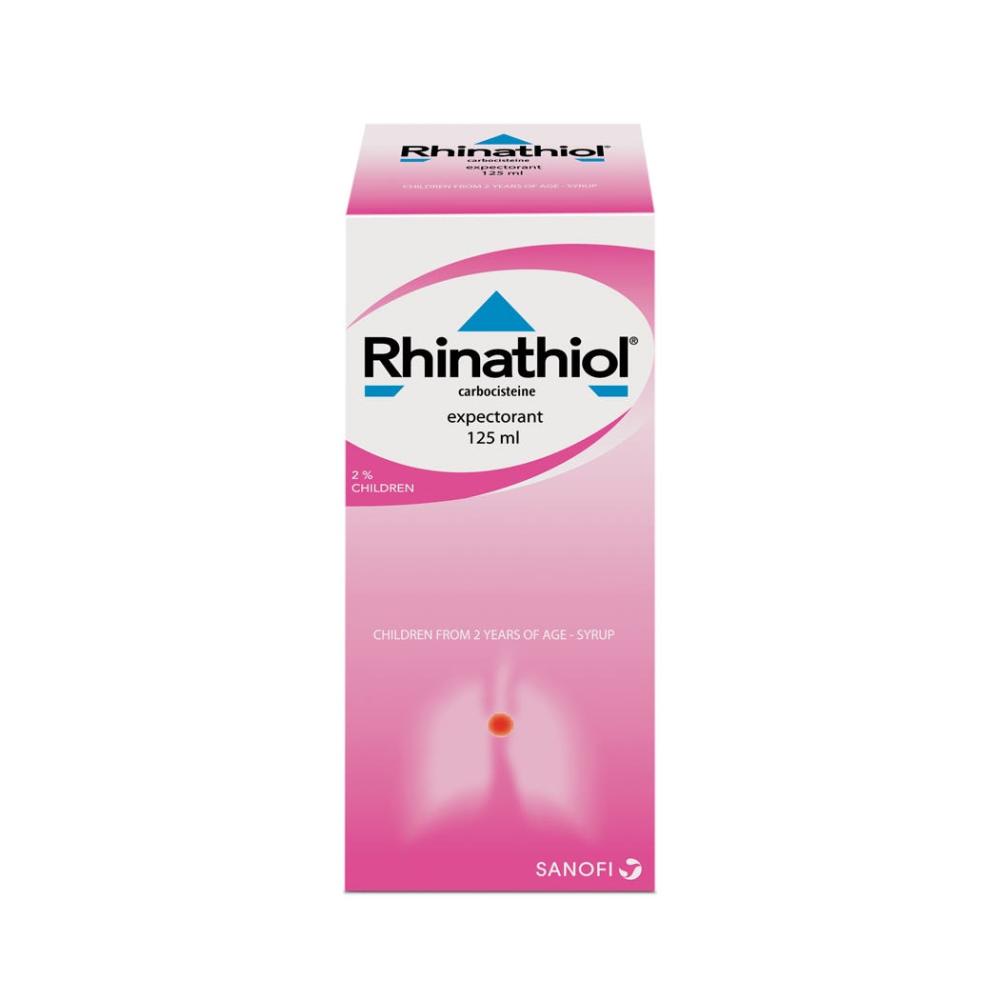
What is carbocysteine used for?
- Carbocysteine (or carbocysteine) is used to treat respiratory problems caused by thick mucus (phlegm).
Do not take carbocysteine:
- If you are allergic to the active ingredients or any other component of this medicine
- If you suffer from an ulcer in your stomach or intestines.
Warnings and precautions:
Talk to your doctor about all your medical conditions before taking this medication, including:
- If you have an ulcer in your stomach or intestines.
- If you suffer from a prolonged cough due to smoking.
- If you are suffering from a cough with a lot of mucus secretion.
Possible side effects:
Stop using this product and seek immediate medical help if you experience:
- Skin rash; red, swollen, blistering, or peeling skin; wheezing; tightness in the chest or throat; difficulty breathing, swallowing, or speaking; unusual hoarseness or swelling of the mouth, face, lips, tongue, or throat.
Serious side effects:
- Stomach ulcer (vomiting blood, dark-colored stools).
Other medications and carbocysteine:
- Tell your doctor about all the medications you are taking.
How to take carbocysteine:
Take it as your doctor has advised.
Carbocysteine 20 mg/ml for children aged 2 years and over.
Adults:
- The usual recommended dose is 750 mg (15 ml) 3 times a day.
Children aged 2-5 years:
- The usual dosage is 100 mg 2-3 times daily.
Children aged 6-11 years:
- The usual dose is 100-250 mg 3 times a day.
Children aged 12-15:
- 100-750 mg 3 times daily.
Children aged 16 and over:
How to store carbocysteine:
- Store at room temperature below 77 degrees Fahrenheit (25 degrees Celsius).
- Keep this medicine out of the reach of children.
- Do not use this medicine after the expiry date stated on the package.
- The expiry date refers to the last day of the same month.
- The dosage form and method of administration of Carbocysteine 20 mg/ml syrup should be determined according to the therapeutic indication and severity of the disease for each patient.